African Judicial Network on Internet Governance

Promoting Judicial Leadership for a Digital Africa

The internet and digital technologies are transforming how African societies communicate, trade, govern and work — and they are transforming the work of courts. AJNIG equips Africa's judiciaries to meet these challenges.

Our mission
Our mission

Digital justice for a digital Africa

Africa's digital transformation requires digital justice — and digital justice requires digitally capable judiciaries.

What we do
What we do

Judicial capacity, comparative jurisprudence, cooperation

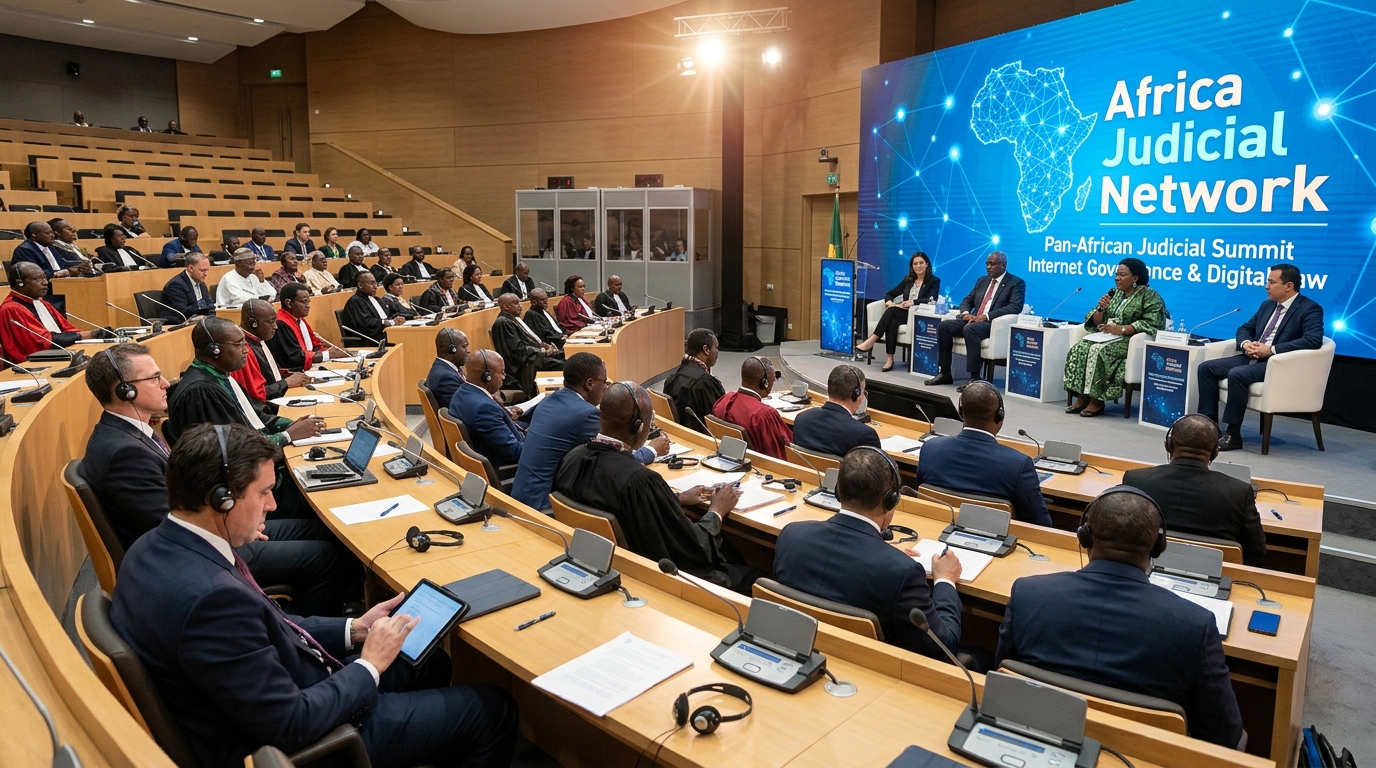
We bring together judges, judicial institutions, legal scholars, technology experts and international partners to strengthen judicial capacity, promote comparative jurisprudence and advance cooperation on the governance of the digital environment.

Our vision
Our vision

Courts equipped to administer justice in a digital society

An Africa in which courts and judges are equipped to administer justice confidently, independently and fairly in an increasingly digital society.

Leading the jurisprudence

Developing the jurisprudence that governs Africa's digital future

AJNIG exists to ensure that African courts have the knowledge, networks and institutional capacity to interpret the law as technology changes.

WHAT WE DO

We build judicial capacity by providing specialised education and professional development for judges and judicial officers on Internet governance, cybersecurity, digital rights and emerging technologies.

Our programmes include:

African Judicial Academy on Internet Governance

A structured curriculum for judges on internet law and digital-era adjudication.

Learn more

Regional judicial dialogues

Forums where judiciaries from different African regions compare approaches to internet governance cases.

Learn more

Judicial masterclasses

Short, intensive sessions on a single internet governance topic, led by subject experts.

Learn more

Judicial technology briefings

Plain-language briefings that explain emerging technologies judges encounter in court.

Learn more

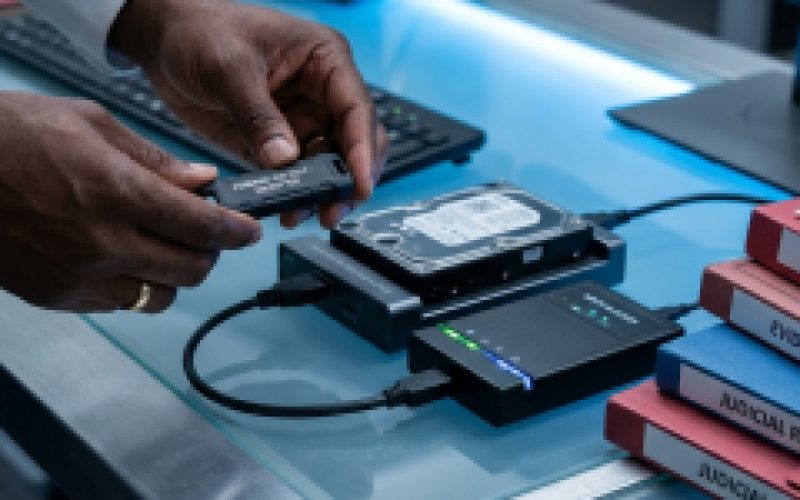
Cybercrime and electronic evidence training

Practical training on handling, admitting, and evaluating digital evidence in cybercrime cases.

Learn more

AI governance programmes

Training on the legal and regulatory questions raised by artificial intelligence systems.

Learn more

Digital rights and constitutional justice programmes

Programmes examining online expression, privacy, and access rights through a constitutional lens.

Learn more

International judicial exchanges

Placements and study visits connecting African judicial officers with courts in other regions.

Learn more
Who we are
About the network

Who we are

The internet and digital technologies are transforming how African societies communicate, trade, govern, work and exercise fundamental rights — and they are also transforming the work of courts.

Judges increasingly confront questions involving artificial intelligence, cybersecurity, cybercrime, electronic evidence, data protection, digital identity, online speech, digital financial systems, surveillance, platform governance and emerging technologies.

The African Judicial Network on Internet Governance (AJNIG) exists to ensure that Africa's judiciaries are equipped to meet these challenges. We bring together judges, judicial institutions, legal scholars, technology experts and international partners to strengthen judicial capacity, promote comparative jurisprudence and advance cooperation on the governance of the digital environment.

54
African countries engaged
120+
Courts represented
27
Working sessions held
6
Languages of work

Read more about the network

Programs & activities

What the network runs

Training, colloquia, research, and structured exchanges for the region's judiciaries.

2026 African Judicial Dialogue on Internet Governance Dialogue

2026 African Judicial Dialogue on Internet Governance

An annual high-level convening of African judges, judicial leaders, policymakers, academics, technology experts and international partners.

Read more
E-Commerce and Online Dispute Resolution Course Training

E-Commerce and Online Dispute Resolution Course

A short course on consumer disputes, e-contracts, and online dispute resolution mechanisms.

Read more
Judicial Roundtable on Freedom of Expression Online Colloquia

Judicial Roundtable on Freedom of Expression Online

A closed session on balancing freedom of expression, privacy, and public order online.

Read more
Peer Exchange Programme 2026 Peer exchange

Peer Exchange Programme 2026

Structured secondments and study visits between participating judiciaries.

Read more
Bench Book on Digital Evidence Research

Bench Book on Digital Evidence

A practical bench book setting out questions courts should ask when digital evidence is tendered.

Read more
Cybercrime and Digital Evidence Colloquium Colloquia

Cybercrime and Digital Evidence Colloquium

A facilitated dialogue on admitting and weighing digital evidence in criminal trials.

Read more
View all programs
Focus areas

Where the network works

Three areas of law recur in the cases that reach African courts.

Data protection and privacy law

Data protection and privacy law

How African courts apply data protection statutes, handle data subject rights, and reconcile privacy with competing public interests.

Explore
Cybercrime and digital evidence

Cybercrime and digital evidence

The law of electronic evidence in criminal proceedings: authentication, chain of custody, encryption, and cross-border requests.

Explore
Freedom of expression and access to information online

Freedom of expression and access to information online

Cases on online speech, intermediary liability, content restrictions, and the right of access to information held by public bodies.

Explore
The network by the numbers

A regional reach, verified by figures

54
Member countries
1,200
Judicial officers in the network
46
Training sessions delivered
18
Publications issued
“
The colloquium gave me a practical framework for testing the reliability of digital evidence before admitting it. I have applied the checklist in three cases since.
Network participant — High Court judge
“
The network connects judiciaries that would otherwise not meet. Our exchange with the mentor bench shortened the learning curve for our entire registry.
Network participant — Regional coordinator
“
As a magistrate new to computer-based evidence, the bench book was the most useful single resource I have received in judicial training.
Network participant — Training participant
What we offer

Services for the bench

Judicial training programs

In-person and virtual courses on internet governance law for judges and magistrates.

Policy and legal research

Case reviews, bench books, and policy briefs prepared by and for judicial officers.

Peer exchange coordination

Structured secondments and study visits between African judiciaries.

Advisory support to judiciaries

Discreet technical advice to courts and judicial training institutions on program design.

Newsroom

Latest news

2026 African Judicial Dialogue on Internet Governance
Events · 09 Sep 2026

2026 African Judicial Dialogue on Internet Governance

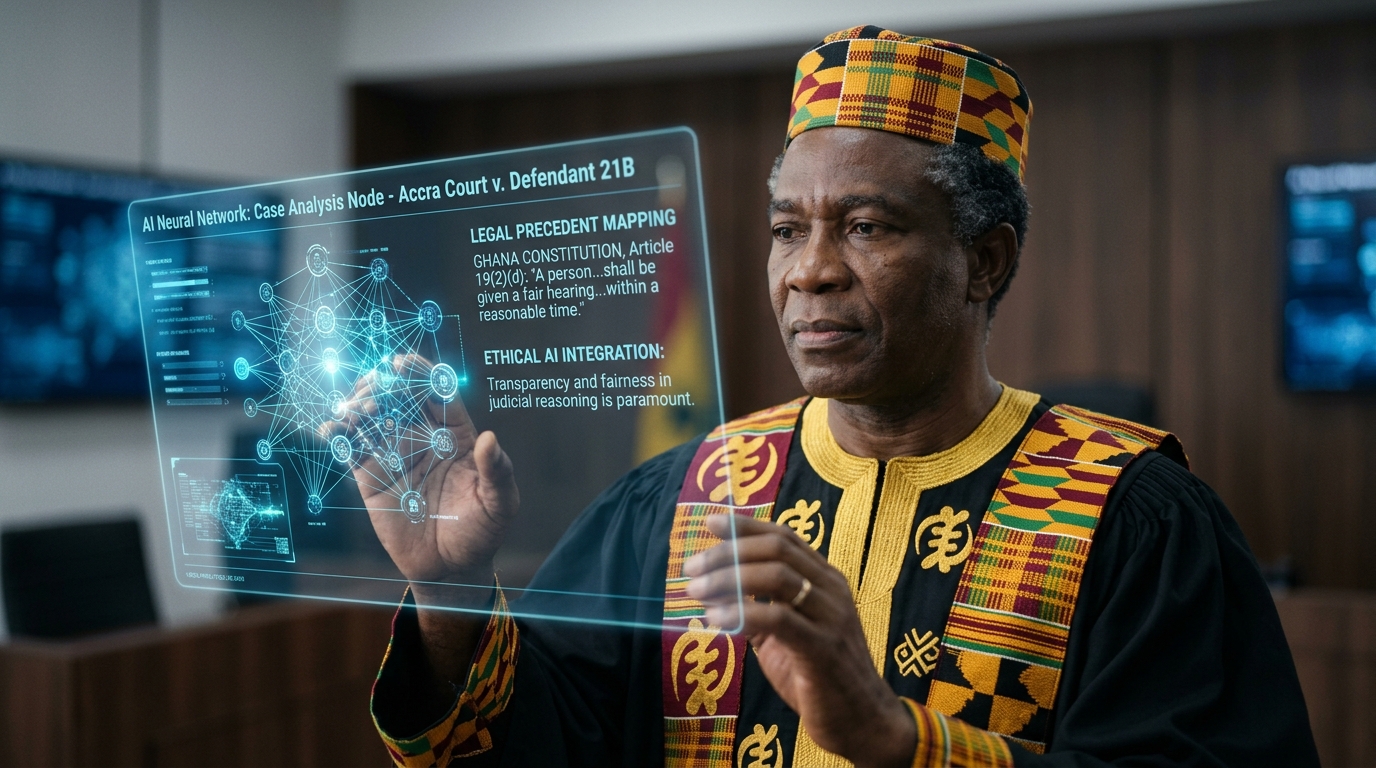
The African Judicial Dialogue on Internet Governance is an annual high-level convening of African judges, judicial leaders, policymakers, ac...

Read more
AJNIG holds regional colloquium on data protection law
Events · 01 Sep 2026

AJNIG holds regional colloquium on data protection law

The Africa Judicial Network on Internet Governance convened 42 judges and magistrates from 18 countries for a regional colloquium on data pr...

Read more
New bench book on digital evidence published
Publications · 26 Aug 2026

New bench book on digital evidence published

The network has published a bench book on the admission and evaluation of digital evidence, prepared with contributions from appellate and t...

Read more
View all news